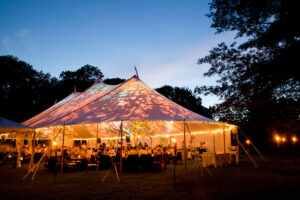
Do You Need a Permit for a Tent in Ontario?
If you're planning an outdoor event in Niagara Region — a wedding in St. Catharines, a corporate gathering in Niagara Falls, or a backyard celebration in Welland — one question comes up sooner or later: do you need a permit for your tent? The short answer is: it depends on the size of the tent, where you're setting it up, and what your local municipality requires.
This guide walks you through how tent permits generally work in Ontario and across Niagara's municipalities. A quick note first: this article is general information, not legal advice. Rules change, and every municipality has its own process, so always confirm the details with your local building department before your event.
When Does a Tent Typically Need a Permit in Ontario?
Across Ontario, the most common threshold you'll hear is 60 square metres (about 646 square feet). Tents larger than that — for example, a 30x40 or a 40x60 — usually require a building permit. A 20x20 tent is 400 square feet, so a single one often falls under the threshold, but connected or side-by-side tents are frequently counted together, which can push you over the limit fast.
Size isn't the only trigger. Many municipalities also require permits when a tent:
- Will be up for more than a few days
- Is open to the public (festivals, fundraisers, community events)
- Uses cooking equipment, generators, or temporary electrical installations
- Is set up on municipal property, in a park, or on a road allowance
Even smaller tents can need approval in specific situations, so never assume you're in the clear just because the tent looks modest.
How Niagara Municipalities Handle Tent Permits
Niagara Region is made up of twelve municipalities, and each one administers its own permits. St. Catharines, Niagara Falls, Welland, Fort Erie, Port Colborne, and Thorold all have building departments you can call, and most publish their tent or temporary-structure requirements online.
In practice, here's what event planners across Niagara usually run into:
- Backyard events on private property: smaller tents for a private party often don't need a permit, but it's worth a quick call to confirm — especially if neighbours are close.
- Wineries and event venues: many established venues in places like Niagara-on-the-Lake already hold the right approvals, but always ask the venue what's covered.
- Parks and public spaces: almost always require a permit or a special-event approval from the municipality, plus proof of insurance.
- Large or multi-tent setups: expect a permit application, a site plan showing the tent location and distances from property lines and buildings, and sometimes an engineer's review for very large structures.
If your event is in St. Catharines or Fort Erie, start with that city's building or by-law department — a five-minute phone call can save you a lot of stress later.
What the Application Usually Involves
While every municipality is a little different, a typical tent permit application in Ontario asks for:
- A site plan showing where the tent goes, its dimensions, and its distance from buildings, property lines, and fire routes.
- Tent specifications — size, type, and flame-resistance certification of the fabric. Reputable rental companies use certified commercial-grade tents.
- Anchoring details — how the tent will be secured (stakes or weights), which matters for safety reviews.
- Dates and times the tent will be standing.
- A permit fee, which varies by municipality and tent size.
Processing times range from a few business days to a few weeks depending on the municipality and the season, so don't leave this to the last minute — especially for summer weddings when building departments are at their busiest.
Practical Tips to Stay on the Safe Side
- Call early. Contact your municipality's building department as soon as you pick a date. They'll tell you in minutes whether you need anything.
- Ask about fire access. Even without a formal permit, tents generally need to keep fire routes clear and maintain safe distances from buildings and property lines.
- Check with your venue. If you're renting a hall, winery, or farm property, ask what permits they already hold and what you're responsible for.
- Keep your rental paperwork. Your tent rental agreement and the tent's certification details are often exactly what the municipality wants to see.
- Don't forget insurance. Public events usually need liability coverage naming the municipality — your rental company or event insurer can help.
FAQ
Do I need a permit for a small 10x10 pop-up tent?
Usually not for a private backyard event, but pop-ups at public festivals, markets, or on municipal property often fall under the event organizer's permit. When in doubt, ask the organizer or the municipality.
What happens if I skip the permit?
You risk fines, being ordered to take the tent down, or — worst case — having your event shut down. It's never worth the gamble, especially for weddings and public events.
How long does a tent permit take in Niagara?
It varies by municipality, but plan for at least two to three weeks for larger tents. Simple applications can move faster; complex ones involving engineering review take longer.
Does my tent rental company handle the permit?
Most rental companies, including us, will happily provide tent specs, site plans, and certification documents to support your application — but the permit itself is the event organizer's responsibility. Just ask us for whatever paperwork your municipality needs.
Planning a Tented Event in Niagara? Let's Talk
Permits are one of those details that's easy to overlook and painful to fix at the last minute. If you're planning an event anywhere in Niagara Region — St. Catharines, Niagara Falls, Welland, Fort Erie, Port Colborne, or Thorold — our tent rentals come with the specs and support documents municipalities ask for, and we're glad to help you figure out what applies to your setup.
Call us at (647) 571-7104 and tell us about your event — we'll help you plan a tent setup that's safe, compliant, and stress-free.